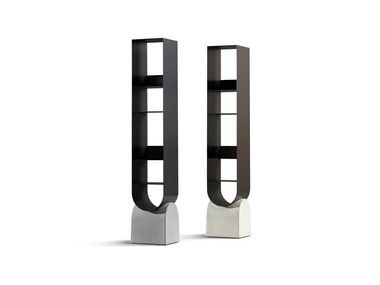
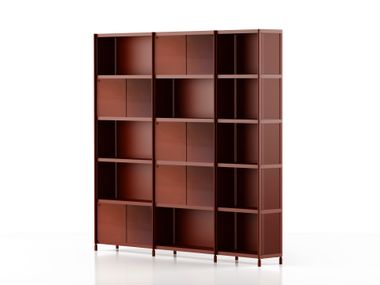
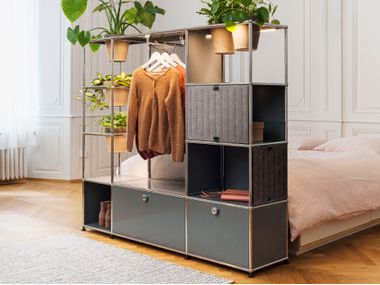
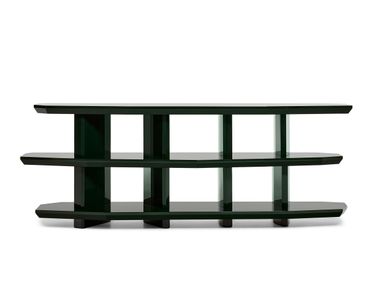
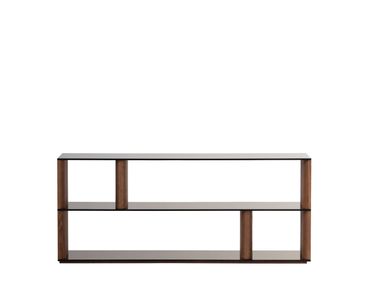
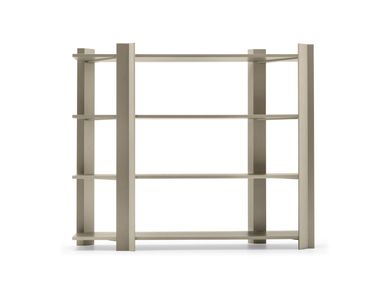
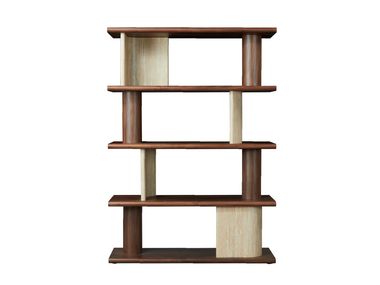
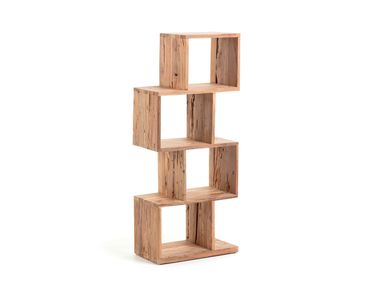
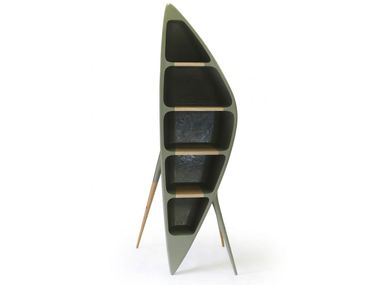
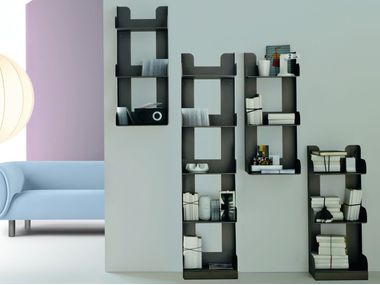
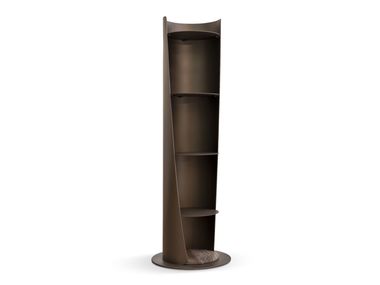
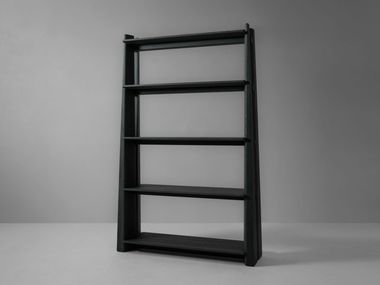
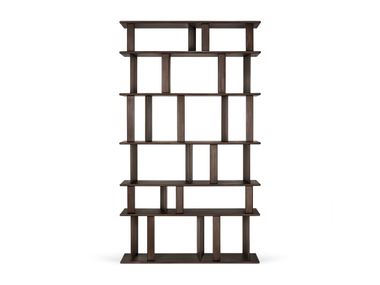
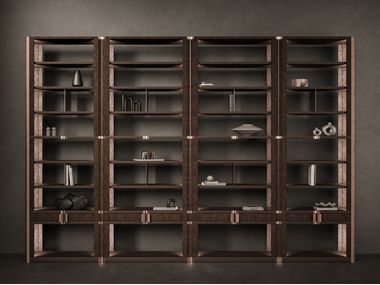
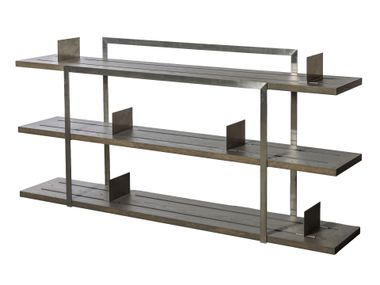
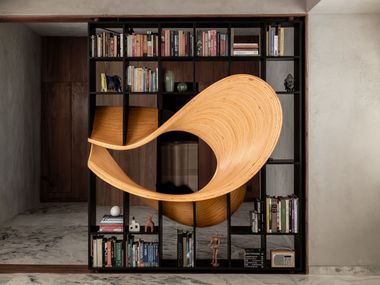
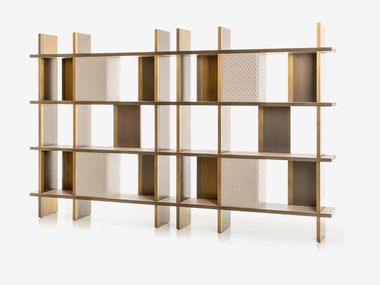
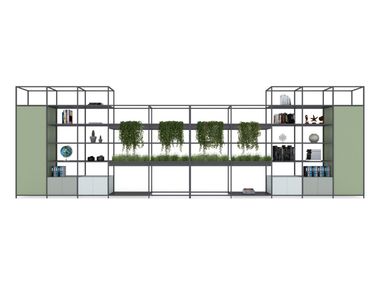
The bookcase has always played a central role in interior design — not only for its functional importance in collecting and organizing books and objects, but also for its ability to characterize a space with a personal touch of style. Originally conceived as furniture to align volumes and magazines, the modern bookcase has evolved into a true protagonist of the domestic environment. Its shapes, materials, and placement help define the mood of a room, transforming a simple storage unit into a design object that reflects the identity of those who inhabit it.
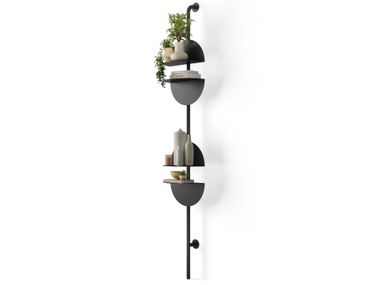
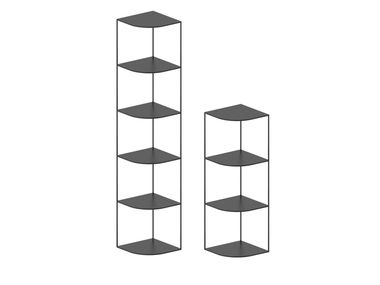
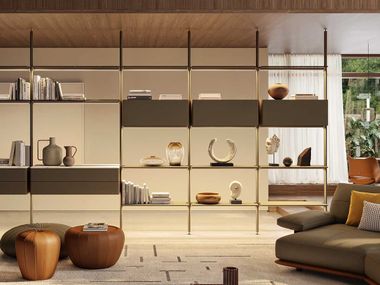
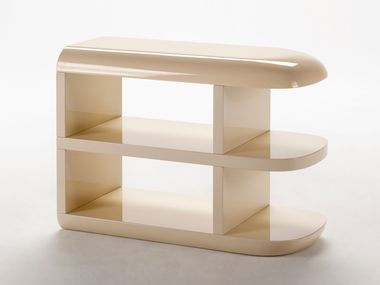
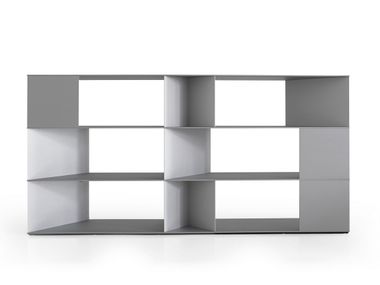
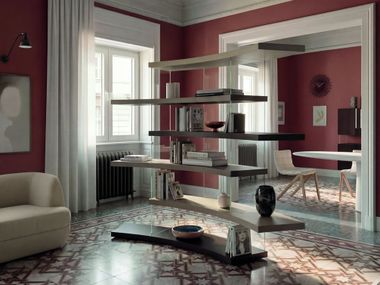
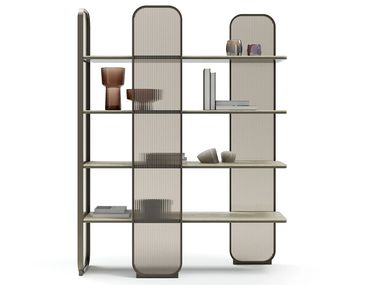
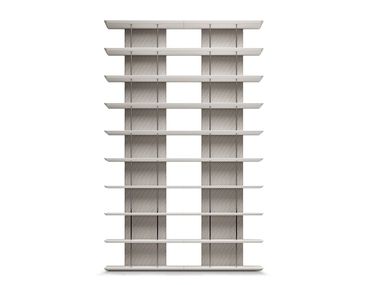
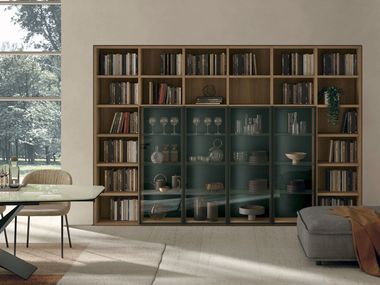
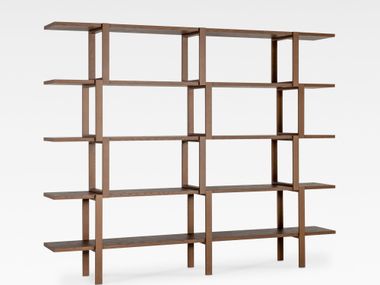
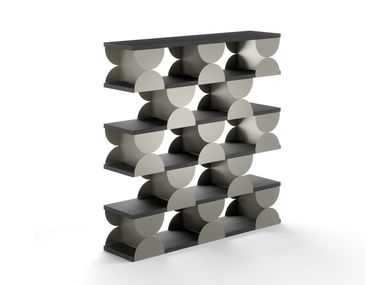
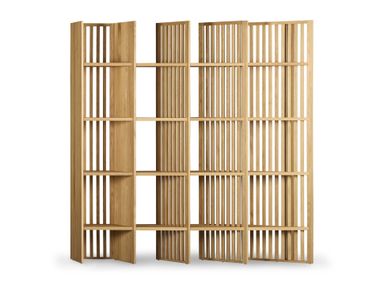
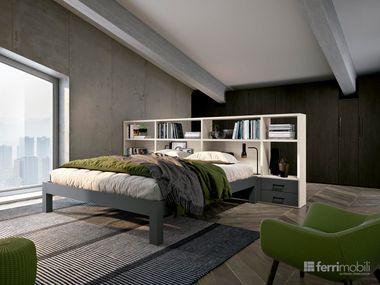
Contemporary bookcases are conceived as versatile and highly customizable elements, capable of combining aesthetics and technical performance to meet the demands of architects, interior designers and planners. During the design phase, the first variable to consider is the space available. In a spacious living room, a wall‑mounted bookcase can play the role of a scenic backdrop, capable of dominating the environment and housing, besides books, works of art and decorative objects. Where space is tighter, it becomes strategic to opt for suspended bookcases — exploiting the verticality of the wall without occupying floor surface. Standard wooden or MDF bookcases, with fixed or adjustable shelves, can fit into any context thanks to their competitive price and wide range of sizes. Modular bookcases guarantee full flexibility: the assembly of individual modules allows one to play with volumes and open or closed compartments, offering the possibility to modify the composition over time. Double‑sided bookcases are the ideal solution when there is a need to divide an open space elegantly, filtering light and creating two distinct zones without breaking the visual continuity. In transitional spaces or entrances, small bookcases can add a functional and decorative touch, while corner bookcases allow making the most of even the most awkward corners of the home.
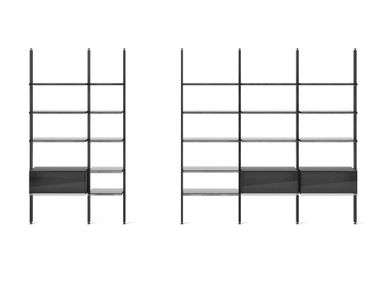
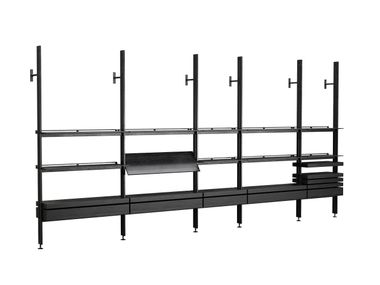
Alongside bookcases, shelving units represent a functional alternative for organizing objects and materials in different design contexts. With a modular and open structure, shelving units are particularly suitable for storage in operational environments — such as offices, archives or commercial spaces — but they also find application in residential settings with minimalist design solutions. Made of durable materials like steel, aluminum or laminated wood, they can be easily reconfigured to adapt to varying space requirements and load capacities. Unlike bookcases — which favor a refined aesthetic and integrated architectural solutions — shelving units offer greater flexibility and practicality of use, making them ideal for contexts where accessibility and functionality are a priority.
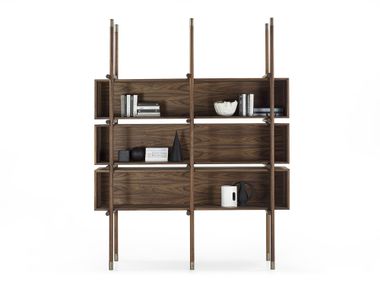
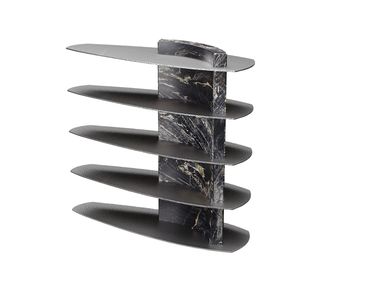
Choosing the material is a crucial moment for anyone designing or selecting a bookcase. A wooden bookcase, with its solidity and timeless charm, often fits into classic settings or homes that want to emphasize a warm, welcoming aesthetic. An MDF bookcase offers a good compromise between contemporary aesthetics and lower cost, easily integrating into modern‑style interiors. For those who prefer lightness and transparency, a glass bookcase is a piece of furniture capable of conveying elegance — especially in minimalist spaces where the goal is to enhance natural light. It is perfect for displaying carefully selected objects but less suitable for supporting a large number of heavy volumes. For greater resistance, one can opt for a wood‑and‑glass model, combining sturdiness and style. Lovers of industrial style or urban atmospheres may choose metal bookcases — either exposed or combined with wooden shelves — playing on material contrasts and textures.
Beyond storing books, the next‑generation bookcase responds to the demand for multifunctional spaces. Contemporary homes — often open and flexible — push people to look for furniture systems that integrate closed compartments, multimedia stations, workspaces and support surfaces. This results in compositions where the bookcase transforms into a fully furnished wall unit, completed with drawers, shelves for audio‑video devices and, occasionally, small hidden desks. Among the most widespread configurations, bookcases with integrated TV units hold a prominent place in living areas, placed in front of sofas and armchairs, combining storage function with relaxation.
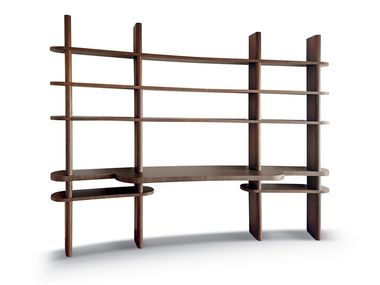
To create a home office setup or a study corner in children’s or teens’ rooms, the bookcase module can be configured to accommodate also a work surface — thus addressing both storage needs and workspace organization, harmoniously combining aesthetics and functionality. Examples include bookcases with built‑in desks or simply those fitted with extended shelves that function as real study or work surfaces. The result is a piece of furniture that not only defines the taste of the environment but becomes its fulcrum: an element capable of evolving over time, following the transformations of domestic life while retaining the charm of its original function.
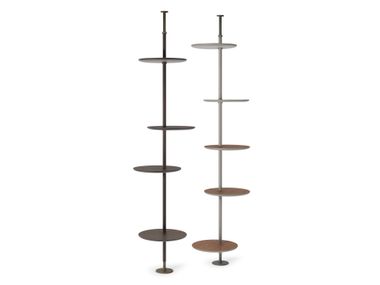
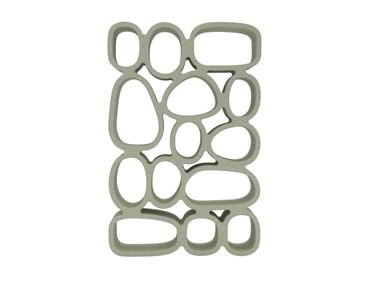
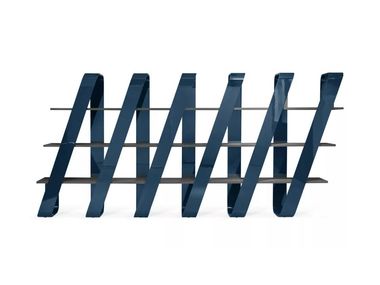
Throughout design history, certain bookcases have become true symbols of innovation and formal research. The Veliero, designed by Franco Albini in 1940 for his home and later reissued by Cassina — with its system of tension rods and suspended shelves — marked a turning point, introducing the idea of a lightweight, transparent bookcase, almost architectural. Another reissue by Cassina is the Nuage by Charlotte Perriand, representing a manifesto of compositional freedom, where constructive rationality merges with a poetic dimension. The Bookworm by Ron Arad for Kartell, made of PVC, broke traditional schemes with its sinuous profile, turning the wall into a play of curves and fluid movements. The Random by MDF Italia became a classic of contemporary living rooms thanks to its asymmetric aesthetics, while the Ptolomeo by Opinion Ciatti, designed by Bruno Rainaldi, overturned the perception of the classic bookcase — proposing an elegant vertical totem in which books seem to float. These celebrated examples embody the capacity of the bookcase to transcend its original function, elevating it to a true decorative icon and testifying to the enduring desire to celebrate the passion for reading and the art of living with style.