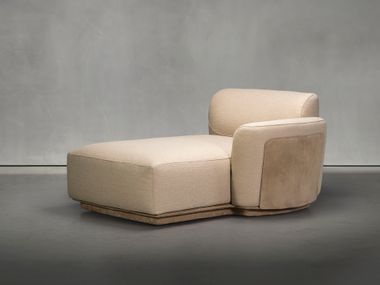
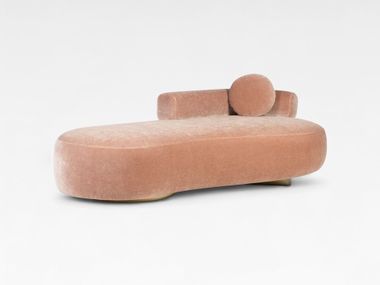
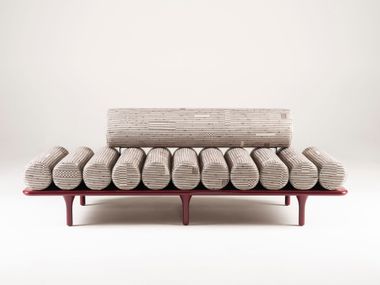
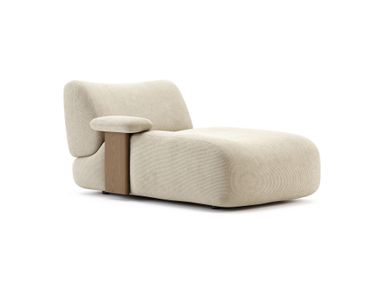
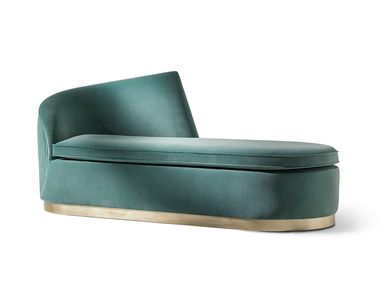
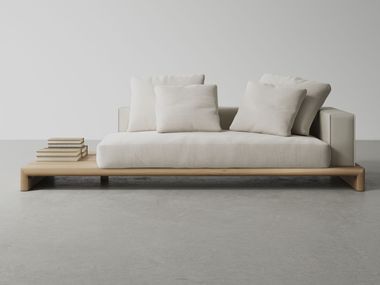
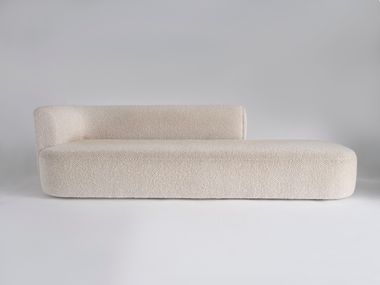
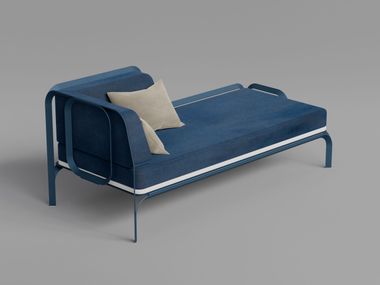
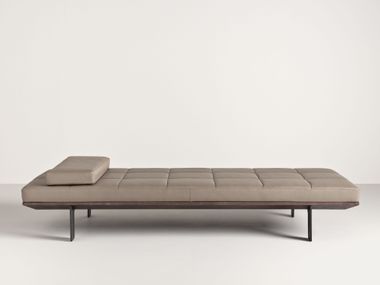
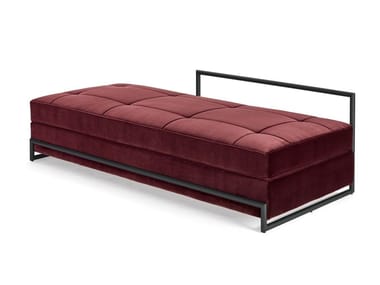
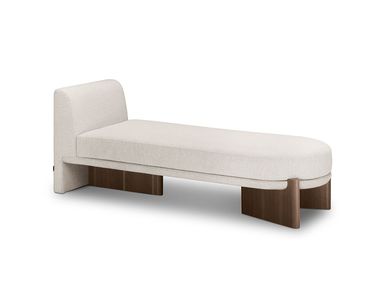
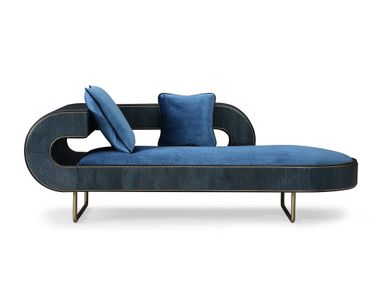
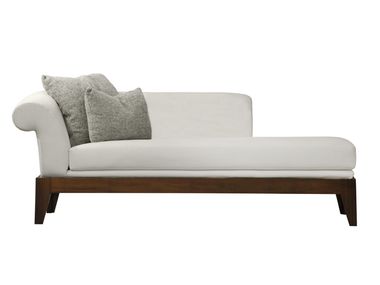
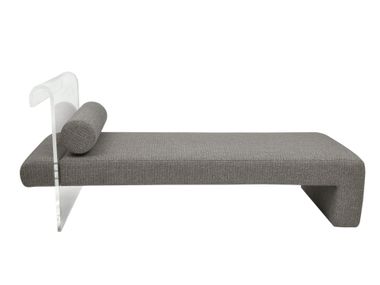
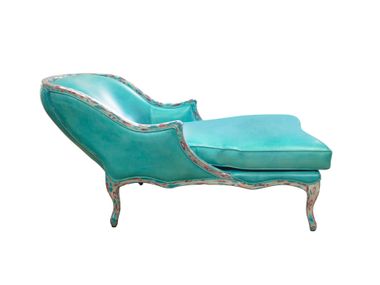
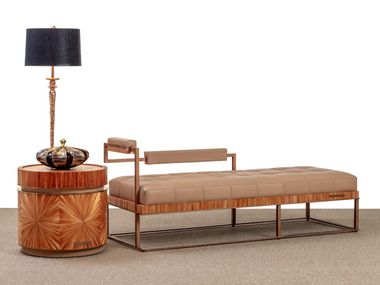
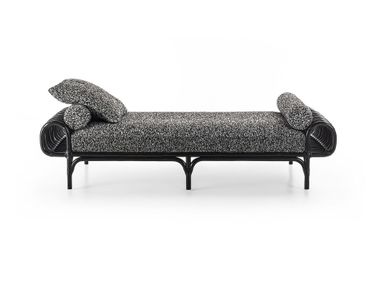
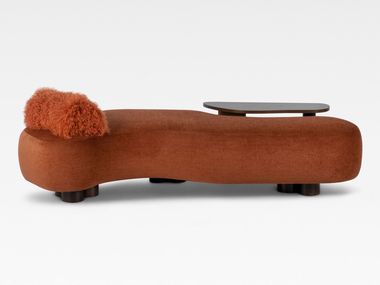
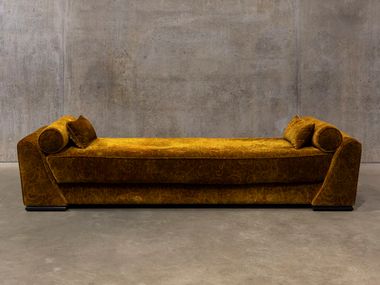
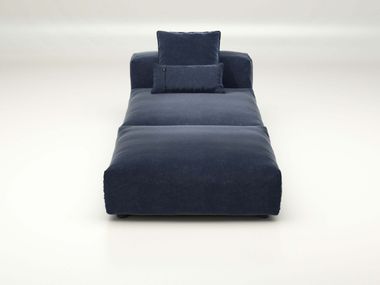
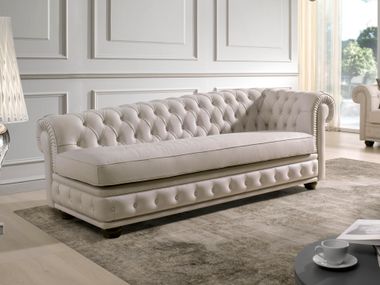
The daybed is a piece of furniture that combines aesthetics and comfort, finding its place primarily in the living area. Designed to offer maximum comfort, it is increasingly present in contemporary interiors, either as an alternative to the sofa or as a complementary element that enhances the overall aesthetic. Thanks to the variety of materials, colors, and finishes available, the modern day bed establishes itself as the centerpiece of the space, contributing to define the style of the environment with discreet yet impactful elegance.
The daybed stands out for its versatility, available in numerous variations that respond to different stylistic and functional needs. Leather daybeds, for instance, are distinguished by timeless elegance, ideal for minimalist and sophisticated living rooms. Fabric day beds, on the other hand, offer a wide range of chromatic and material solutions, allowing customization of the décor and adapting to different contexts, from classic atmospheres to more contemporary settings. Upholstered daybeds, with their generous dimensions and soft cushions, invite relaxation and lend themselves to multiple uses, from resting to reading. Finally, tufted dormeuses, with their refined artisanal craftsmanship and the iconic diamond or lozenge quilting, fit perfectly into classic and sophisticated environments.
The dormeuse also finds its place outdoors, transforming into a refined furnishing solution for gardens and terraces. Made with weather-resistant materials such as removable covers and treated metal or wood structures, outdoor daybeds offer the perfect balance of aesthetics and functionality. Often designed with integrated elements such as side tables or storage compartments, these solutions prove ideal for creating relaxing corners by the poolside or under a pergola, adding a touch of elegance and practicality to outdoor spaces.
Often confused with one another, the dormeuse and the chaise longue present substantial differences that define their use and design. The dormeuse features a linear shape and is characterized by the presence of a single armrest, which also functions as a headrest, while the backrest is either reduced or sometimes absent. Its structure, reminiscent of an upholstered bench, offers comfort similar to that of a bed, which is why it is often identified by the English term daybed. The chaise longue, instead, is designed for a more reclined but not fully extended position, making it more similar to an elongated armchair, ideal for moments of relaxation without giving up a semi-upright posture.
Like the chaise longue, the dormeuse traces its origins back to the Roman triclinium, used during banquets for eating and drinking, symbolizing leisure and wealth. Centuries later, examples of these “day beds” can be found in 18th-century French paintings depicting court life, where small wooden sofas embellished with cushions and fine fabric upholstery conveyed elegance and refinement. Over time, the design of the daybed underwent significant evolution, adapting to new trends and experimenting with compact and innovative forms. Today, modern daybeds combine innovative materials and advanced production techniques, while maintaining their original vocation as furnishings for relaxation.
In the panorama of contemporary design, several daybeds have become icons of style and functionality, representing the evolution of a piece of furniture that blends comfort and elegance. Among the most celebrated models is the Barcelona by Knoll, designed in 1930 by Ludwig Mies van der Rohe. With its essential structure in chromed steel and its capitonné leather upholstery, this daybed embodies the principles of modernist rationalism, establishing itself as a distinctive element for sophisticated and minimalist interiors. Another example of great relevance is Soriana by Cassina, designed in the 1960s by Afra and Tobia Scarpa, characterized by soft and generous volumes. Additional System, designed by Joe Colombo in 1967 and reissued today by Tacchini, is a modular and versatile seating system, perfect for contemporary settings requiring flexible and dynamic furnishings. Its essential design and the possibility of combining multiple elements make it ideal for both residential and contract spaces. Erei by De Padova, designed by Elisa Ossino, also stands out for its clean lines and understated elegance, where the linearity of the structure combines with neutral-toned fabric upholstery, perfectly suited to minimalist interiors.
Within the Zanotta catalog, the William daybed, designed by Damian Williamson, represents the perfect synthesis of elegance and modularity. Its clean lines and well-proportioned volumes provide a high level of comfort, while the use of premium materials contributes to defining a strong and sophisticated identity. Finally, Traveller by Porro, designed by GamFratesi, reinterprets the concept of the dormeuse with a light and contemporary approach. The thin metal frame and geometric lines are paired with welcoming cushions, creating an intriguing visual contrast inspired by Scandinavian design.