Form & Refine is a Danish brand of
furniture and design accessories that blends form, materials, and sustainability. Its essential and refined collections reflect Nordic tradition through the use of pure materials, sourced globally and crafted locally with respect for artisanal techniques. The aim is to create durable products in which the quality of raw materials and executional precision define a sober and recognizable aesthetic. Founded in 2018 by Helle Herman Mortensen, Jonas Herman Pedersen, and Lasse Lund Lauridsen, the company was born from the desire to combine environmental responsibility, the valorization of craftsmanship, and formal research. The concept is based on the use of local materials and fair collaborations with small-scale artisanal entities, reducing environmental impact and promoting social sustainability. Each project is designed to last, according to a philosophy that embodies the essence of Nordic design. Based in Denmark and supported by an international production network, Form & Refine caters to architects and professionals seeking solutions aligned with environmental and cultural values. Each piece is conceived to integrate harmoniously into both residential and contract spaces, honoring the material and immaterial heritage that inspires it.
Nordic design and sustainability: furniture and accessories by Form & Refine
Material quality is at the core of Form & Refine’s identity. The company selects only natural and durable raw materials, entrusting their crafting to skilled artisans in their countries of origin.
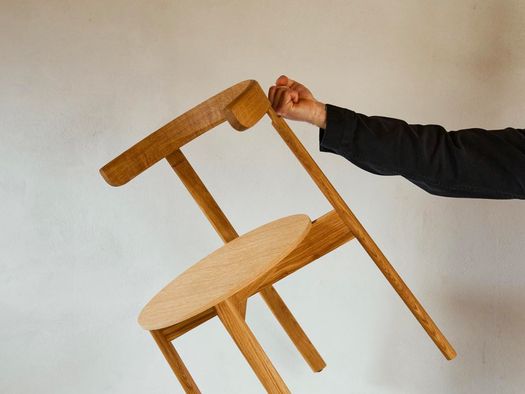
Wooden furniture – particularly oak, ash, and beech from European forests – represents the heart of the production, with unique pieces distinguished by grain and tone. The short and transparent supply chain, based on a network of specialized producers, ensures quality and respect for natural cycles. An emblematic example is the
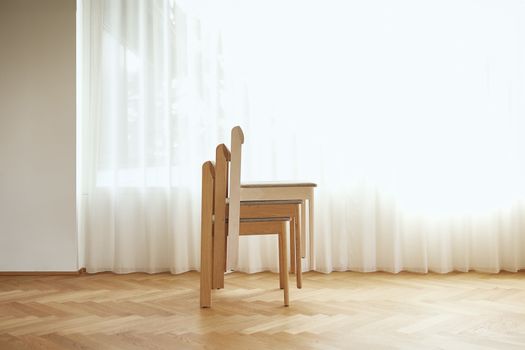
Blueprint chair, made entirely of oak with an open backrest and slender legs: an iconic, contemporary, and stackable design, winner of the German Design Award – Gold.
One of the brand’s most significant collaborations is with a historic glass workshop in Martingança-Gare, Portugal, where the
Pinho collection by Linea Ek Blæhr is created: mouth-blown glasses and carafes shaped in aluminum molds, made from 100% recycled and recyclable glass. The
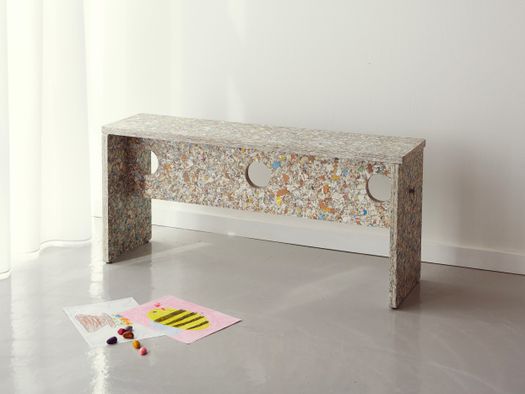
Alcoa line, in Portuguese white stoneware hand-shaped in a workshop in Alcobaça, explores the dialogue between geometry and material, combining traditional techniques and digital innovation such as 3D printing. Alongside natural materials, Form & Refine experiments with circular solutions like the
Remake Stool project, which uses Recoma's Pack Wall Design Board panels, made from recycled beverage cartons. This fully recyclable material significantly reduces CO2 emissions, proving that sustainability can generate new aesthetic and functional expressions.
Form & Refine’s design philosophy: balancing aesthetics and function
Form & Refine’s design is born from the balance between artistic expression and functionality. The forms, sober and well-proportioned, enhance the natural beauty of materials, with discreet details that make each piece unique without compromising usability. The design language belongs to the Scandinavian tradition, reinterpreted with a contemporary twist. Creative direction is entrusted to
Herman Studio, which signs most of the collections and guides the brand’s aesthetic evolution, maintaining a constant dialogue between tradition and innovation. Sustainability is addressed systemically, through five key principles: CO2 reduction, durability, social fairness, economic benefit, and the exclusive use of natural materials. All production takes place in Europe, favoring proximity between the origin of raw materials and processing sites. The company avoids the use of aluminum, conventional plastic, and chemical agents, employing packaging made of recycled cardboard or rPET. Collaborations with Bolivian cooperatives for alpaca wool or with Danish woodworking workshops for the
Shoemaker Chair™ reflect a commitment to preserving traditional knowledge and supporting local economies. Likewise, partnerships with social workshops like the Hans Knudsen Institute in Copenhagen confirm the attention to the human value of the project.