Founded in 1978 in Nybro, in the heart of the Småland region, Zero Interiör AB represents one of the most important names in contemporary Scandinavian design in the field of
decorative and architectural lighting. The company was born from the vision of Roland Gill and Andris Nolendorfs, who decided to embark on a new manufacturing venture starting, as the name suggests, “from zero.” From the very beginning, Zero has stood out for its ability to combine local craftsmanship, technological innovation and aesthetic research, creating lighting products defined by a rigorous and essential design language, perfectly aligned with Nordic design tradition. Today, Zero designs and manufactures
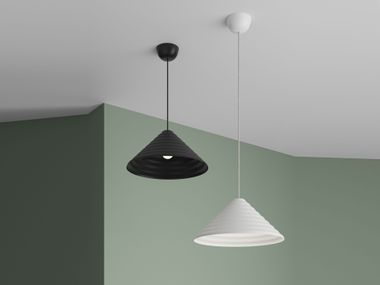
pendant lamps,
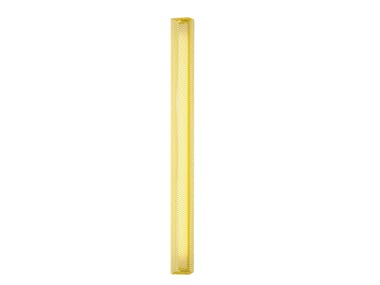
wall lights,
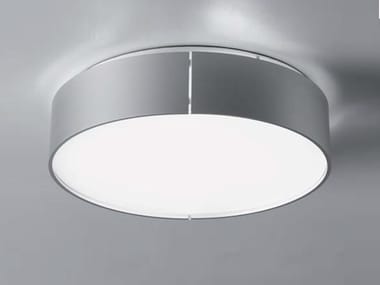
ceiling lights,
floor and
table lamps, along with a wide range of
outdoor fixtures for public and contract spaces. The entire production is distinguished by high construction quality and a sustainable approach to the supply chain: more than 80% of suppliers are located within 200 km of the Nybro headquarters, while assembly takes place in-house in the company's workshop.
Indoor and outdoor lamps, for residential and contract use: the Zero collections
The Zero Lighting catalog includes a wide selection of
indoor and outdoor lighting fixtures designed for residential interiors as well as public and contract spaces. Among the brand’s most iconic products are the
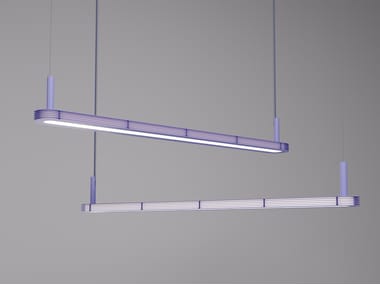
Foto collection, a modular metal track lighting system designed by
Thomas Bernstrand and
Mattias Ståhlbom, and the
Bottle lamp, a contemporary reinterpretation of the bottle form, also by Ståhlbom. The
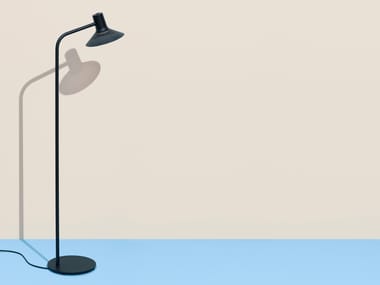
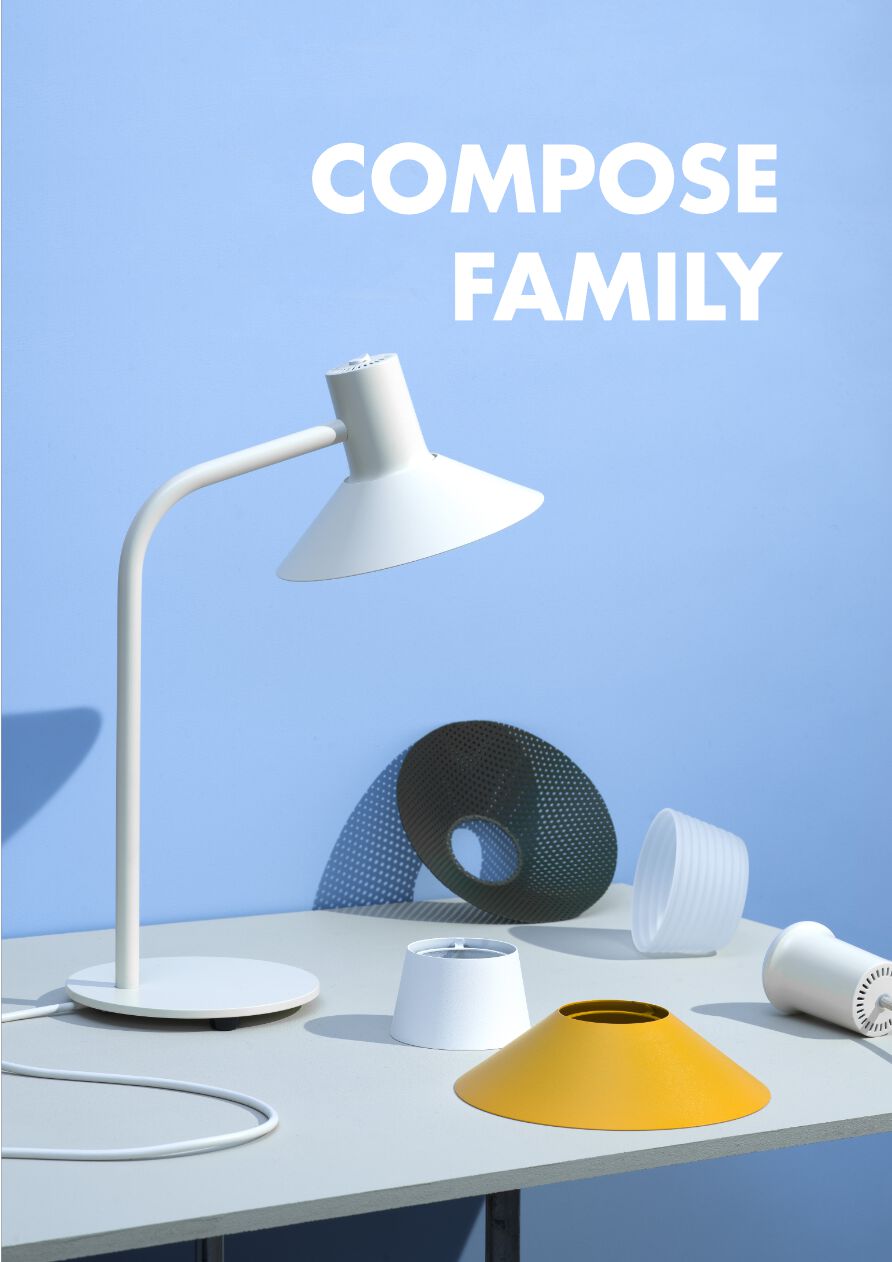
Compose series—with table, wall, and floor versions—offers a modular and essential formal language, while the
Convex collection and the
Curve line highlight the brand’s ability to evolve through continually updated forms, materials and technologies. Zero’s philosophy is summed up in the motto “make technical lighting decorative”: an approach that seeks to make lighting not only efficient, but also an element of aesthetic and narrative value within architectural space. In recent years, the company has strengthened its commitment to environmental sustainability by experimenting with natural and recycled materials—such as in the case of the
Corka pendant made of cork—and by integrating the latest LED technologies.
With over forty years of history, Zero is today a point of reference for architects and designers seeking lighting solutions that combine technology, aesthetics and durability. The company continues to stand out for its stylistic consistency and its strong roots in the Småland region, a symbolic place in Swedish design. Its evolution, from artisanal origins to a global presence, reflects the essence of contemporary Scandinavian design: formal simplicity, attention to detail and environmental consciousness—values that make every Zero project a perfect synthesis of material culture and technological innovation.
Zero Lighting, design lighting between craftsmanship and innovation
Zero’s story is closely tied to the Småland region, known for its long tradition in glass and metalworking. In its early years, the company specialized in perforated metal lighting fixtures thanks to a collaboration with designers
Börge Lindau and Bo Lindekrantz, both previously active at the historic Orrefors Glasbruk glassworks. In the early 1990s, the relocation of the company’s headquarters to the former Pukeberg glassworks marked a turning point: glass became central to Zero’s new designs and a symbol of the brand’s material experimentation. Beginning in 2004, with the entry of Roland Gill’s sons—Per and Thomas Gill—into the company’s management, Zero entered a new phase of growth centered on collaborations with a new generation of designers and on expanding into international markets. These names include
Mattias Ståhlbom,
Thomas Bernstrand,
Jens Fager,
Samuel Wilkinson,
Fredrik Mattson and the
Front Design Studio. These collaborations have solidified the brand’s position as a reference in Nordic lighting design, where formal minimalism is paired with technical functionality and construction quality. Nonetheless, the company remains family-run and continues to represent a model of balance between local identity and global reach, maintaining strong ties with the artisanal know-how of its region.